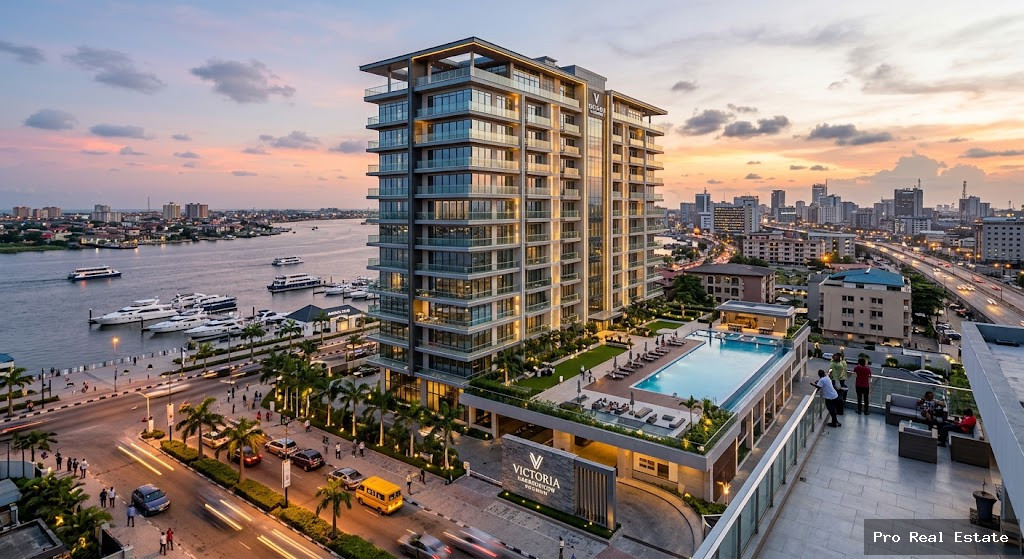
 Buying a home in Nigeria is a significant financial decision. For many people, paying the full purchase price upfront is simply not possible. This is where mortgages become essential. A mortgage allows you to buy a property and pay for it over time through monthly installments. However, understanding how to get a mortgage in Nigeria can be challenging due to the various requirements and processes involved. This guide provides a complete overview of the mortgage application process in Nigeria.
The first step in getting a mortgage is to determine your eligibility. Mortgage lenders in Nigeria typically require that you have a stable source of income, a good credit history, and the ability to make a down payment of at least 20 to 30 percent of the property's value. Your debt-to-income ratio is also important. Lenders generally prefer that your monthly debt obligations do not exceed 33 percent of your gross monthly income.
The next step is to find a reputable mortgage lender. Several banks and primary mortgage institutions in Nigeria offer home loans. These include Union Homes, Abbey Mortgage Bank, FHA Homes, and major commercial banks like GT Bank, Access Bank, and First Bank. Each lender has its own interest rates, repayment terms, and eligibility criteria. It is advisable to compare offers from multiple lenders to find the most favorable terms.
Once you have selected a lender, you will need to submit a formal application. The application typically requires personal identification, proof of income, tax clearance certificates, bank statements, and details about the property you intend to purchase. The lender will conduct a credit check and verify your employment status. This process can take several weeks.
After your application is approved, the lender will conduct a valuation of the property. This is to ensure that the property is worth the amount you are borrowing. A professional valuer will inspect the property and provide a report. The lender may also require a structural integrity test to ensure the property is in good condition.
Once the valuation is complete and the lender is satisfied, you will be issued a mortgage offer. This document outlines the loan amount, interest rate, repayment period, and other terms. Read the offer carefully and seek legal advice before signing. Upon acceptance, the lender will disburse the funds to the seller or developer, and you will begin making monthly repayments.
In conclusion, getting a mortgage in Nigeria requires careful preparation and research. Ensure you meet the eligibility criteria, compare offers from multiple lenders, and understand the terms of the loan before signing. With the right approach, a mortgage can help you achieve your dream of homeownership.
Frequently Asked Questions:
Q: What is the minimum down payment for a mortgage in Nigeria?
A: The minimum down payment is typically 20 to 30 percent of the property's value.
Q: How long does the mortgage application process take?
A: The process usually takes 2 to 4 weeks, depending on the lender and the completeness of your application.
Q: What documents are required for a mortgage application?
A: You typically need identification, proof of income, tax clearance certificates, bank statements, and property documents.
Q: Can I get a mortgage if I am self-employed?
A: Yes, but the requirements are more stringent. You will need to provide detailed financial records for your business.
Published: August 18, 2026